
Introduction
Nonprofit organizations play a critical role in building stronger communities and supporting vulnerable groups, often acting as a lifeline for individuals and families who rely on essential services. These organizations frequently encounter challenges, including limited budgets, scarce resources, and high demand for their services. Despite their passion and commitment, many nonprofits struggle to keep pace with the ever-evolving landscape of technology. By turning to IT Consulting for Nonprofits, organizations can effectively bridge the digital divide, streamline their operations, and amplify their impact. Today, technology isn’t just a luxury for nonprofits—it’s a fundamental part of reaching more people and driving better outcomes for communities.
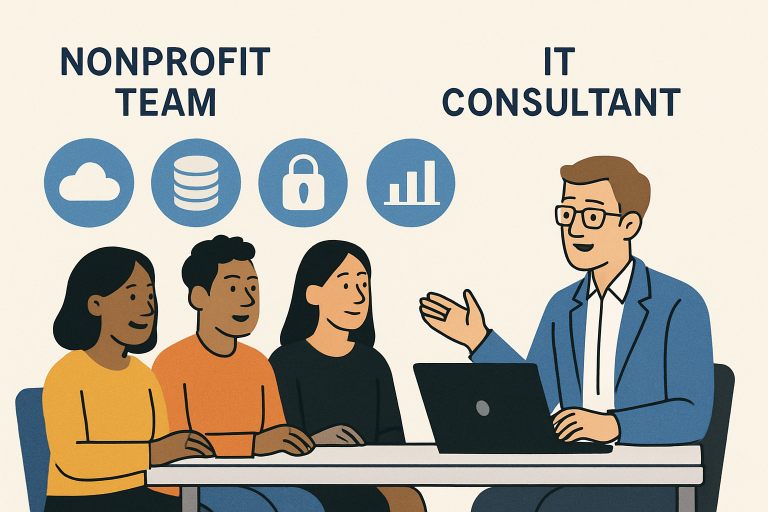
Strategic IT consulting goes far beyond simply troubleshooting computers or setting up email accounts. Consultants partner with nonprofit leaders to understand their unique missions, tailor solutions that fit organizational culture, and recommend platforms that boost productivity while staying within budget. From integrating donor management software to maintaining compliance with fundraising regulations, these specialists guide organizations through every stage of digital transformation. A knowledgeable IT consultant quickly becomes a trusted advisor, steering nonprofits away from common pitfalls, introducing modern solutions, and ensuring investments lead to sustainable benefits in both daily operations and long-term planning.
Enhancing Operational Efficiency
Nonprofits must make every dollar and minute count, as many operate with small teams that juggle multiple responsibilities. IT consultants undertake a detailed analysis of current workflows and identify bottlenecks that drain time or cause error-prone manual work. Streamlining these processes often involves integrating multiple technology platforms so that fundraising, volunteer management, and client services are accessible from a single, easy-to-use system. Cloud-based collaboration tools, for example, allow staff members and volunteers to work together seamlessly regardless of their physical location, while maintaining secure and centralized data access. With remote work and hybrid teams now more common than ever, these solutions drastically reduce overhead costs, minimize the need for physical office space, and ensure prompt responses to the evolving needs of the community. By automating repetitive tasks—such as ongoing communications, donor acknowledgments, or scheduling—organizations save considerable time and minimize errors. The resulting efficiency frees up human resources to focus more on value-added activities, like building partner relationships or designing innovative programs. According to Nonprofit Technology News, leveraging modern, cloud-based solutions is helping nonprofits deliver services more efficiently, keep staff connected, and expand their capacity to serve more people in need.
Improving Data Management
Effective data management is mission-critical in the nonprofit sector, where accountability and transparency are essential requirements for funders, government agencies, and stakeholders. Nonprofits collect, process, and store a vast range of data, from donor history and volunteer profiles to program outcomes and financial records. When managed poorly, this vital information can become scattered across different files or platforms, leading to missed opportunities and compliance risks.
IT consultants introduce best-in-class data systems that securely centralize, organize, and protect data. Modern databases and analytics tools enable nonprofit leaders to quickly access and interpret the information most relevant to their decision-making. These insights enable more accurate reporting, better resource allocation, and more strategic program design. Consultants also train organizations in setting up dashboards that highlight trends, visualize impact metrics, and provide real-time updates to board members and key stakeholders.
Enhancing Cybersecurity Measures
Nonprofits are guardians of highly sensitive information, including donor records, payroll data, and reports on program beneficiaries. As cyber threats grow in both sophistication and number, these organizations become attractive targets due to the perception that they often lack robust security measures. IT consultants conduct thorough risk assessments and develop customized security protocols to identify and close gaps, thereby preventing breaches. Measures may include installing next-generation firewalls, encrypting sensitive data, setting up sophisticated access controls, and establishing multi-factor authentication for all users.
However, technology alone doesn’t guarantee security. Consultants also run security awareness programs for staff and volunteers, teaching them to recognize phishing attempts, create strong passwords, and understand the critical importance of data protection. This holistic approach not only defends the organization from digital threats but also builds a security-conscious culture internally. By proactively addressing these risks, nonprofits safeguard their mission, protect their clients, and reinforce the confidence of supporters who expect their generosity and data to be handled responsibly.
Facilitating Digital Transformation
True digital transformation isn’t about acquiring the latest software; it’s about leveraging technology to rethink how a nonprofit fulfills its mission in an increasingly digital world. IT consultants lead organizations through a holistic transformation process, ensuring that new technology investments align tightly with overarching goals. This might include adopting online fundraising platforms for more engaging donor experiences, launching virtual educational events to reach remote populations, or building robust digital communication pipelines that foster stronger relationships with volunteers and beneficiaries.
Furthermore, embracing digital tools enables nonprofits to be more resilient and adaptable in times of crisis, such as pivoting to online service delivery during a public health emergency or expanding advocacy campaigns to social media audiences. With expert guidance, nonprofits can utilize digital channels not only to market their programs but also to engage communities and deliver direct services in innovative ways that were previously impossible.
Training and Support
Technology only delivers its full value when staff and volunteers are equipped to use it confidently and correctly. IT consultants develop tailored training programs that suit staff experience levels and organizational workflows. Employees receive hands-on instruction in managing new software and tools, ensuring that best practices for privacy, security, and operational efficiency become ingrained habits. This investment in training reduces resistance to change and maximizes the return on investment for every new technology adopted.
Additionally, consultants provide ongoing support services—either remotely or onsite—so that technical issues can be resolved swiftly without derailing day-to-day activities. Whether troubleshooting minor performance hiccups or addressing more serious system failures, expert support helps nonprofits maintain momentum, uphold service commitments, and avoid unnecessary downtime. Proactive check-ins and system maintenance ensure long-term stability for both staff and the populations they serve.
Cost-Effective Solutions
While upfront IT consulting costs can seem steep for nonprofits accustomed to tightly managed budgets, the payoff is significant. Consultants identify and eliminate duplicate or underutilized software subscriptions, recommend scalable platforms that adapt to changing needs, and connect clients with free or discounted technology grants specifically designed for the nonprofit sector. They also consolidate technology vendors, streamlining procurement and billing, which leads to administrative savings and more predictable expenses.
These interventions enable organizations to redirect funds toward frontline services, program expansion, or critical capacity-building efforts. Rather than reacting to problems as they arise, nonprofits benefit from a sustainable, forward-looking technology strategy that future-proofs their operations and maximizes every dollar spent. Over time, this leads to smarter resource allocation, a deeper impact on communities, and a healthier, more resilient organization overall.
Conclusion
The potential for IT consulting to transform nonprofit organizations is crystal clear. By leveraging expert advice and the right digital solutions, nonprofits can fundamentally transform their operations, advance their missions, and ensure that critical resources have a lasting impact. In an era of constant change, having technology partners who understand both the sector and the pressures it faces empowers nonprofit leaders to focus on what matters most—building stronger, more equitable communities for all.