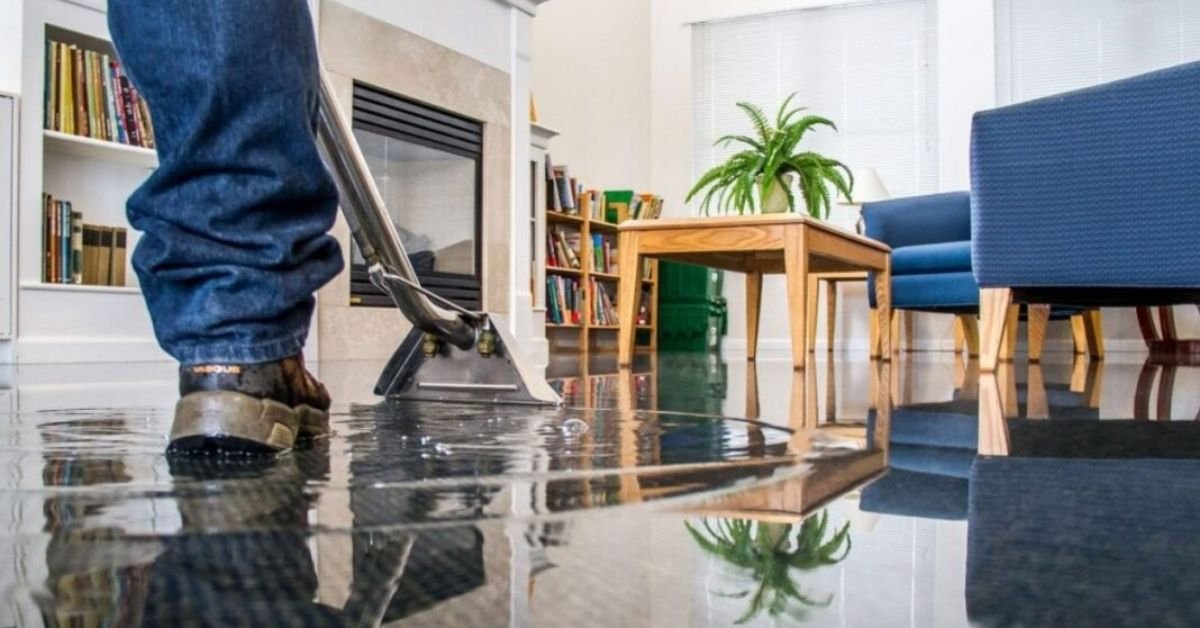
Water damage is a silent yet pervasive threat to every household, capable of inflicting destruction far beyond unsightly stains or warped wood. Water intrusion can weaken your home’s structure, create an ideal breeding ground for harmful mold spores, and ruin personal belongings with little warning. Water damage is even more concerning because it often happens when least expected—from a hidden pipe leak, a malfunctioning appliance, or a heavy downpour overwhelming gutters. Taking deliberate steps to prevent water incursions is not just an option, but an essential aspect of responsible homeownership. Should the worst happen, immediate action with professional water damage restoration services can be the difference between minor inconvenience and major disaster, helping homeowners recover quickly while minimizing property loss and health risks. Below, you’ll find valuable practices and preventative steps any homeowner can implement to reduce the risk of water-related mishaps and safeguard their investment in their home’s long-term value and livability.
Proactive protection ranges from routine checks to adopting advanced monitoring technology and reinforcing vulnerable sections of your home. Even what appears to be a negligible leak—a persistent drip under the sink or slight condensation—can signal the start of a much larger problem if left unchecked. Understanding your property’s unique exposures and keeping up with regular home maintenance may seem time-consuming, but it is far preferable to the costly, disruptive aftermath of water damage. If your household faces a substantial water crisis, calling upon experienced water damage restoration specialists ensures immediate cleanup and long-term protection against recurring issues.
Regular Plumbing Inspections
One of the most effective ways to prevent water damage is to inspect your plumbing system regularly. This involves more than just glancing under the kitchen sink; it means systematically checking all accessible water lines, fixtures, and connections throughout your home, including bathrooms, laundry rooms, and basements. Be looking for telltale signs of trouble such as water stains, discoloration, musty odors, or mold. Pay extra attention to areas where pipes are exposed and susceptible to temperature changes, which can lead to cracking or bursting during colder months. Even small drips, if ignored, can deteriorate drywall, create soft spots in flooring, and attract pests. According to Consumer Reports, addressing minor leaks and routine maintenance needs early can prevent situations that might otherwise result in thousands of dollars in repairs and lengthy disruptions to your household routine.
Roof and Gutter Maintenance
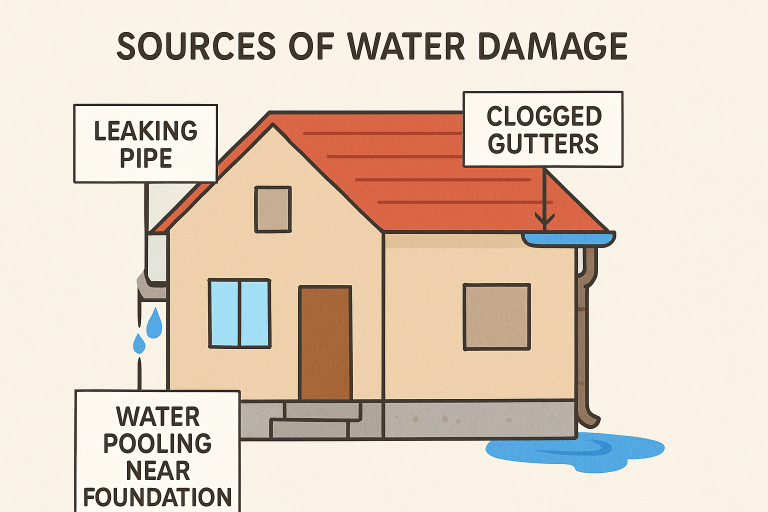
Your home’s first line of defense against water ingress starts well above your head. Roofs, when intact and well-maintained, repel huge volumes of water throughout the year. However, even a single missing shingle or a small area of compromised flashing can allow water to seep into attics, walls, and ceilings. It’s crucial to have your roof inspected by a professional at least once yearly, looking for cracked or curled shingles, rusted nails, or accumulating debris. Gutters should be cleared of leaves and sediment in spring and fall, or more frequently if you live near mature trees. Blocked gutters and downspouts redirect water toward your foundation rather than away, dramatically increasing the risk of leaks, cracks, and eventual basement flooding. Regular roof and gutter upkeep is crucial in regions experiencing significant seasonal changes or heavy precipitation. Don’t forget to check for ice dams in winter, which can also cause water to back up under shingles.
Install Water Detection Devices
Modern homeowners have a valuable ally in technology when stopping water problems before they escalate. Water leak detectors and smart moisture sensors are now widely available and can be placed in areas most prone to undetected leaks, such as under sinks, next to water heaters, or near sump pumps. These devices sound an alarm—or send a notification to your phone—when even small amounts of water are detected, allowing you to take swift action before minor leaks become major headaches. Some high-end systems go a step further by integrating with your water supply and automatically shutting off the water if a large leak or burst pipe is identified, offering peace of mind even when you’re away.
Landscaping and Drainage
Not all water damage threats come from inside the home; many result from poor exterior water management. The grading of your lawn and the placement of your garden beds can drastically affect how water flows during heavy rainfalls. Ideally, soil should be sloped downward away from your home at least six inches over ten feet. This keeps surface water from pooling near your foundation, particularly important if your property is prone to wet conditions or experiences frequent downpours. Install downspout extenders to channel runoff at least three to six feet away from the foundation. Consider landscaping fixes such as French drains, dry wells, or rain gardens, which effectively redirect and absorb water. Professional landscapers can assess trouble spots and design custom drainage solutions that address your property’s specific needs and terrain, reducing the chances of water invading basements or crawl spaces.
Appliance Maintenance
Everyday appliances are often overlooked sources of water leaks in the home. Washing machines, dishwashers, water heaters, and even refrigerators with ice makers or water dispensers rely on hoses and connections that tend to wear out over time. Schedule regular checks for hoses, clamps, and fittings—if you notice bulging, cracks, rust, or dampness around these appliances, it’s time to replace the parts immediately. Don’t delay replacing old rubber hoses with steel-braided types, as these are less likely to fail under pressure and have much longer lifespans. Regular appliance maintenance, including following manufacturer recommendations for servicing and filter replacement, is a straightforward way to avoid costly and disruptive leaks.
Seal Windows and Doors
Well-sealed windows and doors form a critical barrier against water entering your home during storms and heavy rains. Yet, sealants can degrade over time, and structures may shift, creating cracks or gaps along frames. Examine all window sills, door thresholds, and weatherstripping annually for any openings or visible decay; even a small gap can admit enough water to cause interior damage. Using quality caulking and weatherproofing materials, reseal where necessary, particularly before the start of the rainy season. If you notice condensation or cold drafts during storms, this may also indicate the need to replace weatherstripping or upgrade to energy-efficient models with enhanced water barriers. These efforts keep water out and increase energy efficiency by reducing drafts.
Monitor Water Pressure
High water pressure may feel luxurious in the shower, but it poses a significant risk to your entire plumbing system. Excessive pressure can strain pipe joints, valves, and faucets, causing leaks or catastrophic pipe bursts over time. To avoid unnecessary stress on your pipes, use a simple pressure gauge (available at hardware stores) and attach it to an outside faucet to check your home’s water pressure. Readings should ideally stay between 40 and 70 psi. If yours is higher, installing a pressure regulator helps protect plumbing, appliances, and keeps your utility bills in check. Monitoring water pressure ensures your home’s pipes last longer with fewer unexpected emergencies.
Know Your Water Shutoff Valve
In the event of a burst pipe or other water emergency, every second counts. The ability to quickly turn off your home’s main water supply can save thousands of dollars in damage and significantly reduce the chaos of a disaster scenario. Familiarize yourself—and all adult household members—with the main shutoff valve’s location, typically where the main water line enters your home. Practice shutting it off so that, if the need arises, everyone knows what to do without hesitation. Keep tools or a flashlight nearby if the area is not well-lit. A swift response not only limits damage but can be crucial in saving irreplaceable family heirlooms and essential documents that could otherwise be destroyed by flooding.
By implementing these strategies, you’ll significantly lessen your risk of water damage and the stress it brings. Constant vigilance, routine inspections, and timely intervention are the foundation of a safe, dry, and healthy home environment. To learn more about emergency readiness and ongoing protection from water hazards, refer to Ready.gov’s flood preparedness resources for comprehensive planning ideas and checklists. Taking these steps today means greater peace of mind tomorrow, knowing your home is well-guarded against water damage for many years.