Frequent Misfires or Jamming
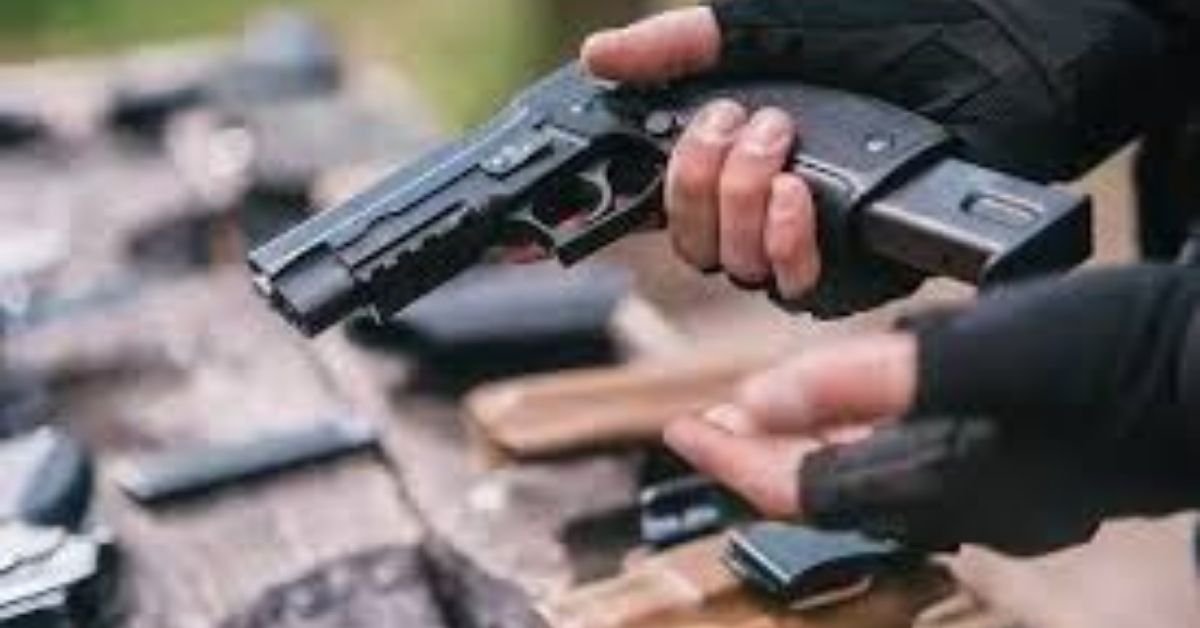
Experiencing misfires or frequent jams is often a sign that internal components of your firearm are either worn out or obstructed. Issues such as misaligned parts, broken springs, or build-up inside the chamber can all lead to unreliability. If you consistently struggle with malfunctions, refrain from using the firearm until it’s been properly diagnosed and repaired by a trained professional. A reputable gun store can often connect you with certified gunsmiths or guide you through the next steps. Ignoring these signs could result in further mechanical failure or even dangerous scenarios at the range or in the field.
Visible Wear and Tear
Scratches, pitting, and rust are not just aesthetic concerns regarding firearms. While minor marks from regular use are normal, more pronounced wear can indicate underlying structural weakening or exposure to moisture and corrosive elements. If you notice excessive erosion on crucial contact points, barrel bulges, or deep corrosion, these could affect your firearm’s operation and potentially make it unsafe. A professional evaluation is essential to determine if restoration or replacement parts are needed.
Difficulty in Operation
If your firearm suddenly becomes stiff or difficult to manipulate—whether it’s the slide, bolt, or trigger—this may be due to debris buildup, insufficient lubrication, or deeper issues like bent parts or misalignment. Stiffness in the action typically points to parts grinding or binding in a way that shouldn’t happen. It’s important not to force components that seem stuck, as this can worsen the issue. Instead, have a gunsmith take your firearm apart, clean all internal mechanisms, and diagnose any mechanical issues properly.
Inconsistent Accuracy
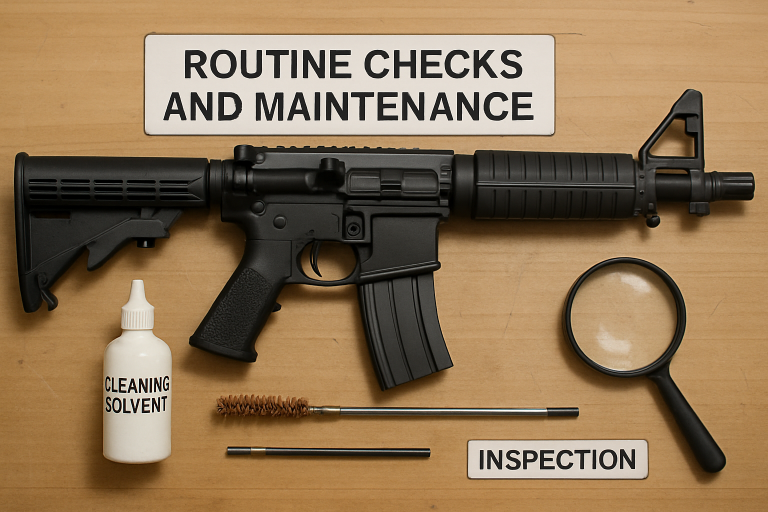
When you notice a decline in your firearm’s accuracy, don’t just chalk it up to operator error or ammunition inconsistency. Even when your shooting technique remains unchanged, a sudden or gradual drop in precision might come from a damaged or worn barrel, loose sights, or internal misalignment. The only way to be certain is to have your firearm inspected. Professional gunsmiths use specialized tools to check bore alignment, crown integrity, and sight mounting, which are critical for maintaining tight shot groups.
Unusual Noises or Recoil
A well-maintained firearm should feel and sound consistent during operation. Pay close attention if you begin to hear odd noises such as rattling, grinding, or metallic “clinks” while cycling the action or firing. Similarly, unusual changes in felt recoil—excessive or diminished—may point to problems with springs, buffer tubes, or frame fatigue. Such symptoms can indicate loose, broken, or improperly fitted parts inside. Continuing to use your firearm under these conditions can escalate minor faults into serious failures.
Malfunctioning Safety Mechanisms
Nothing is more critical than properly functioning your firearm’s safety features. Seek immediate professional assistance if you notice any challenge in engaging, disengaging, or relying on manual safeties, decocking levers, or firing pin blocks. Even a minor hitch with these mechanisms requires attention, as they are designed to prevent unintended discharge. Regular function checks should be conducted at home, but any anomalies should be left to a trained expert to diagnose and repair to ensure your continued safety.
Regular Professional Maintenance
Even if your firearm appears to operate flawlessly, most industry experts recommend annual or biannual professional inspections. Gunsmiths can check for subtle issues like hairline cracks, internal corrosion, worn springs, and parts that might soon fail. The frequency of professional maintenance should be based on how often and under what conditions you use your firearm. Frequent use or exposure to harsh environments accelerates wear and tear, making scheduled check-ups even more critical. Preventive maintenance is always less costly and riskier than emergency repairs after a failure.
Conclusion
Vigilant maintenance of your firearm is part of responsible gun ownership. By learning to recognize early signs of trouble and seeking professional attention as needed, you ensure your weapon remains safe, functional, and dependable. Remember that investing in regular professional care isn’t just about performance it’s about protecting yourself, your loved ones, and everyone in your shooting environment.