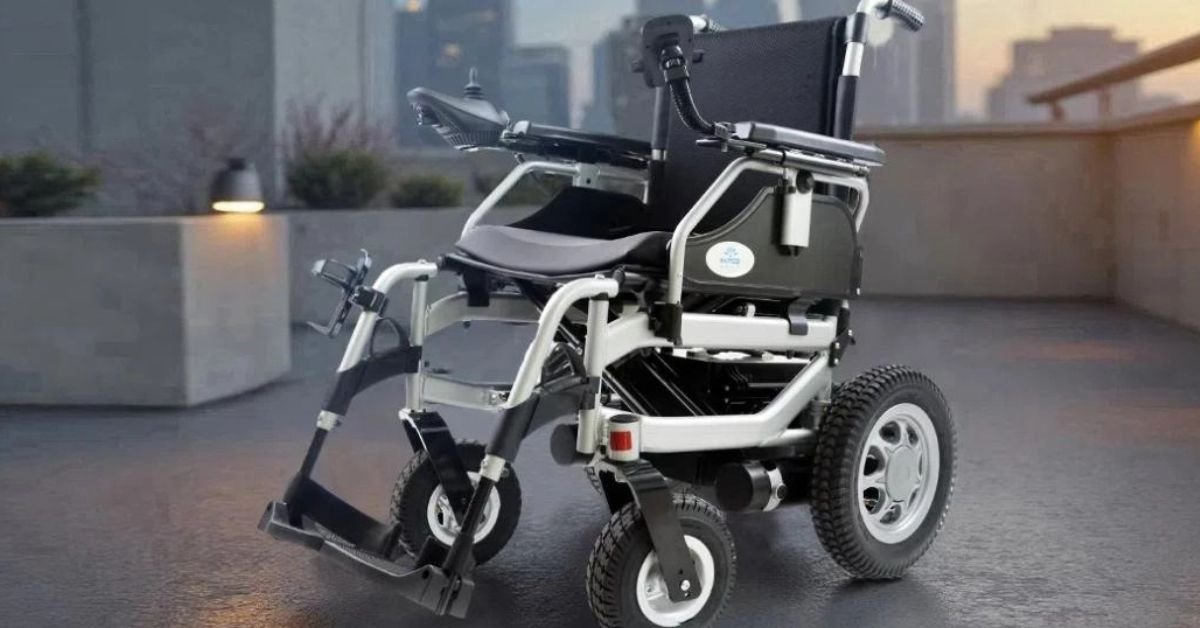
The Changing World of Wheelchair Design
Over the last several decades, wheelchair design has made significant strides forward thanks to innovative advancements, community feedback, and advancements in engineering. Traditional wheelchairs once prioritized function over comfort or appearance, limiting choices for individuals with unique needs or style preferences. Today, people shopping for wheelchairs for sale can access a diverse range of options that focus simultaneously on efficiency, user individuality, and adaptability. From power-driven models with intelligent navigation to ultralight manual chairs tailored for rapid movement, users now enjoy a level of personalization once considered out of reach.
Improved wheelchair design offers enhanced maneuverability, custom sizing, and a range of mobility solutions, enhancing independence for users. This has transformed the interactions of wheelchair users in various environments, leading to a higher quality of life. Studies show increased satisfaction, improved mental health, and a stronger sense of self with the use of a suitable mobility device.
User-Centered Innovation and Customization
Modern wheelchair development focuses on user-centered innovation, addressing the unique needs of different users across all age groups and activity levels. This approach enables wheelchairs to accommodate variations in height, weight, and strength, as well as support medical needs such as posture control or neurological conditions. Features like contoured and ventilated backrests, dynamic suspension systems, and modular arm and leg supports provide unparalleled adaptability. Many models offer customizable elements, such as tactile-responsive joysticks for limited dexterity or drive controls tailored for people with quadriplegia or young children. Users can also select from a variety of finishes, accessories, and frame colors, making the chair a reflection of their style and identity. This approach normalizes assistive devices, empowering them to enhance individual comfort, improve health outcomes, and reduce daily discomfort, while also boosting confidence and community participation.
Emerging Materials and Lightweight Solutions
The use of advanced materials such as titanium, carbon fiber, and aerospace-grade aluminum has completely reshaped expectations for wheelchair weight, portability, and strength. Gone are the days when chairs were too heavy for frequent travel or difficult to push over distances. Innovations in structure and composition now yield frames that are both feather-light and exceptionally durable, creating opportunities for users to move freely with reduced fatigue and a lower risk of repetitive strain injuries. According to reports covering accessibility technology breakthroughs, many new wheelchair models are up to 30% lighter than those from just ten years ago.
This weight reduction is especially impactful for active individuals, children, and anyone who needs to lift, transport, or store their chair regularly throughout the week. Detachable wheels, collapsible designs, and even magnetic locks are easy-to-use features for busy or on-the-go users. Whether it’s fitting a chair into a compact car trunk, taking it along on a flight, or navigating rough outdoor trails, these engineering improvements create a more accessible world. The focus on lighter yet sturdier materials demonstrates how modern design is all about removing limitations and encouraging people to do more of what they love.
The Rise of Smart Technology in Mobility
Technology is at the forefront of mobility innovations in the 21st century. The integration of smart features into power wheelchairs, such as obstacle detection, touchscreen controls, app-based customization, and voice-activated functions, has redefined independence for countless users. Some smart wheelchairs feature sensors that automatically adjust seating to prevent pressure injuries, while others offer GPS tracking and route optimization for enhanced safety and convenience. This combination of advanced sensors and interactive interfaces transforms the user experience, allowing for real-time adjustments and more efficient movement within diverse environments.